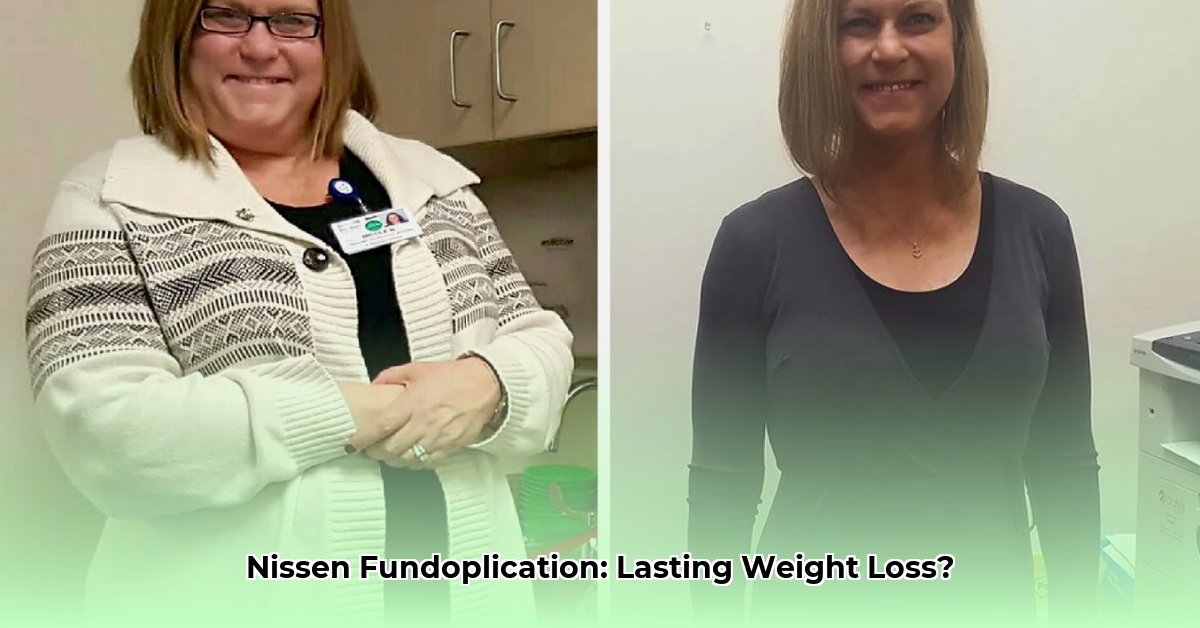
Nissen Fundoplication and Weight Loss: A Comprehensive Review
This review article examines the relationship between Nissen fundoplication, a surgical procedure primarily used to treat gastroesophageal reflux disease (GERD) (heartburn), and weight loss. We analyze existing research, exploring both short-term successes and the complexities of long-term outcomes, focusing on clinical relevance, patient demographics, and treatment efficacy. Does Nissen fundoplication consistently lead to sustainable weight loss? The answer, as we will see, is nuanced.
Understanding Nissen Fundoplication
The Nissen fundoplication involves wrapping the top of the stomach around the lower esophageal sphincter (LES), the muscle controlling the opening between the esophagus and stomach. This strengthens the LES, preventing stomach acid reflux. While not primarily a weight-loss procedure, many patients experience unintended weight loss post-surgery. However, the extent and longevity of this weight loss remain key areas of investigation.
Short-Term Weight Loss: Initial Findings
Initial studies demonstrate encouraging short-term weight loss in many patients undergoing Nissen fundoplication. Several studies reported a decrease in Body Mass Index (BMI), a measure of weight relative to height. These early successes suggest potential benefits beyond GERD symptom relief, improving overall patient well-being and quality of life. However, the long-term picture reveals a more intricate relationship.
Long-Term Outcomes: The Persistent Challenges
Long-term studies present a more complex picture. While some individuals maintain their weight loss, a significant proportion, particularly those obese before surgery, experience a recurrence of GERD symptoms. Studies indicate a higher recurrence rate in obese patients, highlighting the influence of pre-existing conditions on long-term efficacy. Why this disparity? Several factors likely contribute.
The Role of Obesity in Long-Term Success
Obesity significantly impacts long-term outcomes. Increased abdominal pressure in obese individuals can stress the surgical repair, potentially leading to recurrent GERD. Furthermore, obese patients often present with impaired gastric motility (the movement of food through the digestive system), further compromising the procedure's effectiveness. The interaction between obesity and surgical outcome is complex, emphasizing the need for careful patient selection.
Patient Selection: Identifying Ideal Candidates
Evidence suggests that while initial weight loss is achievable across a range of body weights, long-term success is strongly linked to pre-existing conditions, especially obesity. Pre-operative assessment should carefully evaluate a patient's overall health, BMI, and realistic expectations to determine suitability for the procedure. Thorough patient counseling is crucial.
Perspectives: A Multi-Stakeholder View
Understanding the long-term implications requires a multi-perspective approach:
| Stakeholder | Short-Term Considerations | Long-Term Considerations |
|---|---|---|
| Surgeons | Pre-surgical assessment, surgical technique optimization | Ongoing monitoring, addressing complications, and developing management plans |
| Patients | Realistic expectations regarding weight loss and symptom improvement | Awareness of potential GERD recurrence, proactive symptom management |
| Healthcare Systems | Standardizing pre- and post-operative care | Investing in research to understand obesity's impact on long-term outcomes |
| Insurers | Cost-effectiveness assessment | Assessing potential long-term costs associated with higher recurrence rates |
Conclusion: Personalized Approach and Future Directions
Nissen fundoplication can induce initial weight loss, yet long-term success is significantly influenced by pre-existing obesity and other health factors. This necessitates a personalized approach, encompassing thorough pre-operative evaluation, transparent discussion of benefits and risks, and diligent post-operative care. Further research is crucial to refine patient selection criteria, optimize surgical techniques, and improve long-term management strategies. A collaborative approach between surgeons, patients, and healthcare systems is essential to maximize the benefits and minimize potential setbacks of Nissen fundoplication.
Key Takeaways:
- Initial weight loss following Nissen fundoplication is possible but not guaranteed.
- Obesity significantly impacts long-term success rates and GERD recurrence.
- A personalized approach, including careful patient selection and robust post-operative care, is crucial.
- Ongoing research is needed to refine the procedure and improve patient outcomes.